

Executive Summary
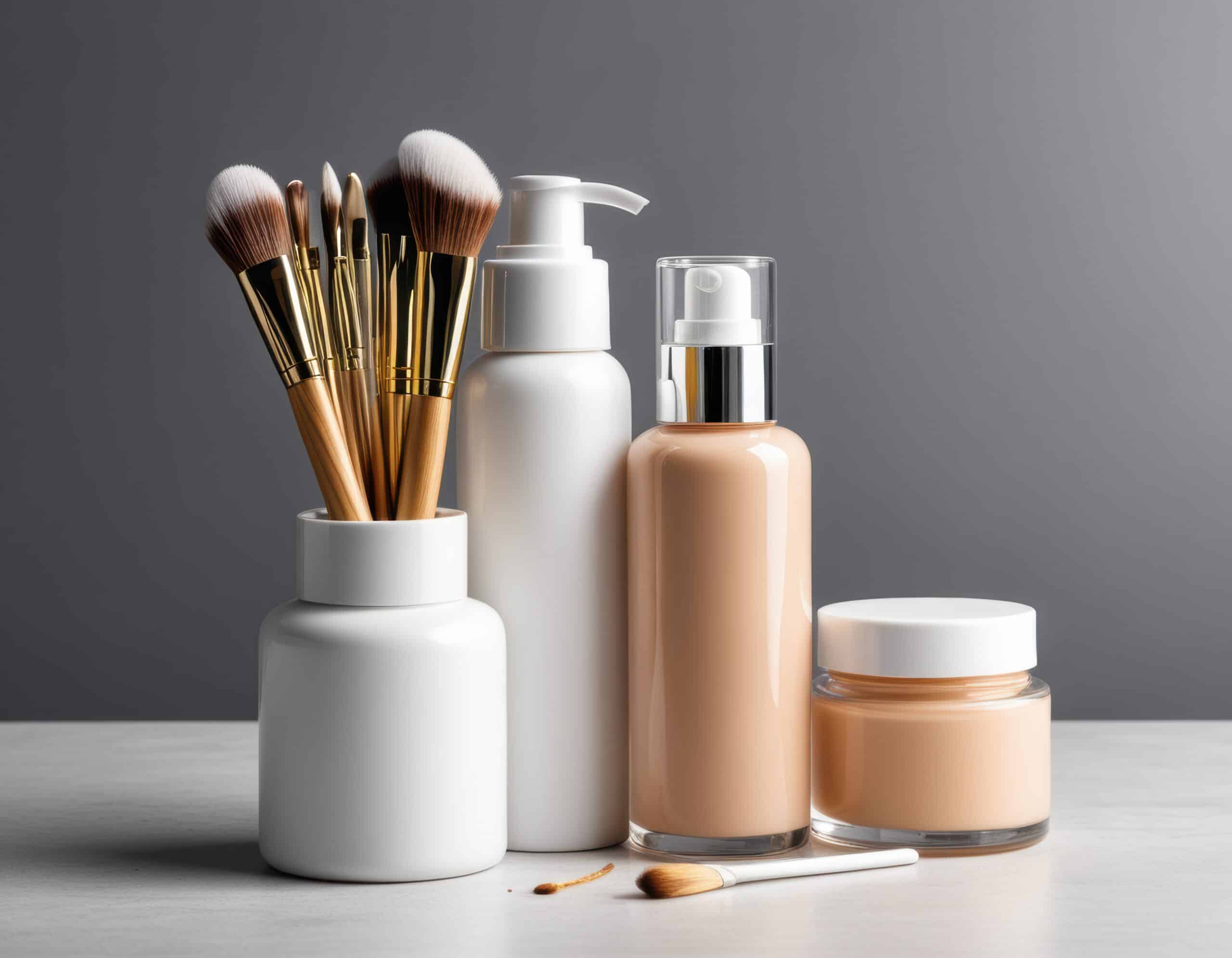
In India, the alarming discovery of mercury in cosmetics has elevated concerns regarding the safety of beauty products frequently used by millions. Mercury, a known neurotoxin, presents serious health threats to consumers, including adverse effects on the nervous system, kidneys, and immune response. Despite stringent national regulations intended to protect public health, many cosmetics in the Indian market, such as skin creams and makeup products, still report violations in safety standards with detectable mercury levels.
This article delves into the specific causes behind mercury contamination in Indian cosmetics, assesses the regulatory measures implemented by the Indian government, and highlights the dire health implications faced by consumers. Additionally, it provides practical advice for Indian consumers and industry players to counteract this growing concern and encourage the production and use of mercury-free cosmetic products.
Mercury in Cosmetics: What Happened?
Recent investigations into the cosmetic industry revealed alarming levels of mercury contamination in several products. These items—produced domestically and imported from countries with less stringent regulations—were found to contain mercury beyond permissible limits. Among the flagged products were popular skin creams and whitening products marketed as anti-aging solutions.
Government labs identified non-compliant products during routine inspections. The findings resulted in a State NSQ Alert that prompted recalls and stricter monitoring protocols. Mercury contamination is not a new problem in cosmetics, but the recurrence of these issues highlights systemic gaps in safety regulations and enforcement. Despite widespread awareness of the dangers of mercury, manufacturers continue to incorporate it—albeit illegally—into cosmetic formulations to achieve certain effects, such as skin lightening or anti-aging benefits.
Why Mercury Is Dangerous
Health Risks
Mercury in cosmetics poses significant health risks due to its ability to penetrate the skin and accumulate in the body over time. Scientific studies have revealed that mercury can result in:
- Neurological Damage: Mercury disrupts nerve function, leading to tremors, memory loss, and cognitive impairments.
- Kidney Dysfunction: Chronic exposure to mercury can result in kidney damage, compromising the body’s detoxification processes.
- Immune System Suppression: Mercury reduces the body’s ability to fight infections, leaving individuals vulnerable to illnesses.
- Psychological Effects: Prolonged exposure may lead to depression, anxiety, and other mood disorders.
- Skin Damage: Topical application of mercury-laden products can cause rashes, discoloration, and permanent scarring.
Given these risks, the use of mercury in cosmetics raises both short-term and long-term concerns. While immediate effects may manifest as skin irritation, prolonged exposure can result in irreversible systemic damage.
Environmental Risks
The environmental impact of mercury contamination is another critical concern. Improperly discarding cosmetics with mercury can harm the environment by polluting soil and water. Once released into the environment, mercury can enter the food chain, posing broader ecological and health risks.
Economic Implications for the Industry
The presence of mercury in cosmetics also carries significant economic consequences for the beauty industry:
- Recalls and Penalties: Products found to contain mercury face mandatory recalls, fines, and potential bans, causing financial strain for manufacturers.
- Reputational Damage: Mercury contamination tarnishes brand credibility, leading to consumer distrust and loss of market share.
- Export Restrictions: Countries with strict cosmetic safety standards may reject imports from manufacturers found to be non-compliant, limiting global trade opportunities.
- Increased Compliance Costs: As regulations tighten, manufacturers must invest in advanced testing and quality control measures to ensure safety.
The financial impact extends beyond individual brands to entire supply chains, requiring systemic reforms to maintain consumer trust and regulatory compliance.
Global Regulatory Frameworks in India
Efforts to address mercury contamination in cosmetics in India are primarily driven by national regulations and participation in international treaties:
- Cosmetic Rules, 2020: In India, these rules establish a stringent mercury limit of 1 part per million (ppm) in cosmetics. The regulations also include penalties for manufacturers who fail to comply with these safety standards, emphasizing consumer protection and product safety.
- Participation in the Minamata Convention: India is a signatory to the Minamata Convention, an international treaty that aims to minimize and ultimately eliminate mercury usage in consumer products, including cosmetics. By participating in this global initiative, India demonstrates its commitment to reducing mercury contamination and protecting both health and the environment.
While India’s regulatory framework provides a solid foundation for controlling mercury in cosmetics, the true measure of its effectiveness lies in the enforcement of these rules. Recent instances of mercury contamination highlight the importance of enhanced surveillance and the need for stricter penalties to prevent non-compliance and ensure consumer safety.
Advanced Detection of Mercury in Cosmetics
Ensuring the safety of cosmetic products involves sophisticated mercury detection methods, crucial for regulatory compliance. Two standard techniques dominate this sphere:
- Inductively Coupled Plasma Mass Spectrometry (ICP-MS Renowned for its ability to detect mercury down to parts per billion, this method guarantees accuracy and precision in mercury quantification.
- Atomic Absorption Spectroscopy (AAS): Frequently used for measuring heavy metal content, AAS remains a standard approach in analyzing cosmetic formulations.
These methods empower laboratories to detect trace amounts of mercury, thereby ensuring products conform to safety standards. Accredited facilities such as Auriga Research are integral in providing these reliable testing services, which support industry adherence to regulations.
BIS Protocols for Testing of Mercury in Cosmetics
In India, the Bureau of Indian Standards (BIS) mandates stringent procedures for identifying and quantifying mercury levels in cosmetics. These procedures ensure compliance with the Cosmetic Rules, 2020, which establish a mercury content limit of 1 part per million (ppm).
To achieve precise mercury detection, BIS employs advanced techniques like ICP-MS and AAS. ICP-MS stands out for its high sensitivity, capable of identifying mercury at exceedingly low concentrations, whereas AAS remains a vital tool for heavy metal analysis across diverse formulations.
The role of accredited laboratories in this testing process is indispensable. They apply these advanced methodologies to offer precise and dependable mercury testing services, safeguarding consumers from mercury exposure. Laboratories such as Auriga Research underscore the critical importance of technological innovation and rigorous monitoring to uphold health standards in the cosmetic industry. Their involvement ensures that India remains aligned with both national regulations and international commitments, such as the Minamata Convention, highlighting a sustained dedication to consumer protection and environmental safety.
How to Stay Safe
For Consumers
To protect themselves from mercury contamination in cosmetics, consumers can adopt the following measures:
- Check Product Labels: Look for certifications and avoid products that do not disclose ingredient lists, as these may contain unsafe levels of mercury in cosmetics.
- Prefer Trusted Brands: Choose reputable manufacturers known for adhering to safety standards and producing mercury-free cosmetics.
- Stay Informed: Monitor government alerts and recalls for unsafe products that may have mercury contamination.
- Report Concerns: Use official platforms to flag suspicious products for further investigation, particularly those suspected of having mercury in cosmetics.
- Opt for Mercury-Free Alternatives: Seek out brands that explicitly guarantee mercury-free formulations to ensure product safety.
For Manufacturers
Manufacturers play a critical role in eliminating mercury contamination from the cosmetic industry. Key actions include:
- Supplier Audits: Ensure that raw materials meet regulatory standards and are free from mercury contamination.
- Third-Party Testing: Collaborate with accredited labs to verify product safety and confirm the absence of mercury in cosmetics.
- Ingredient Transparency: Disclose full ingredient lists to build consumer trust and demonstrate commitment to safety.
- Compliance Investments: Allocate resources for regular quality checks and updates to safety protocols to avoid mercury contamination.
- Adopt Safer Alternatives: Innovate formulations that eliminate mercury and other harmful substances, ensuring healthier and safer products for consumers.
Auriga Research- Your partner for Cosmetic Safety Testing
Auriga Research is a leader in cosmetic safety testing, offering advanced mercury detection services to help brands comply with national and international regulations. With CDSCO accreditation and BIS certification, Auriga employs cutting-edge technologies like ICP-MS and AAS to identify harmful substances in cosmetic products. By partnering with Auriga Research, manufacturers can ensure compliance, protect consumers, and restore trust in their brands.
Conclusion
Mercury in cosmetics is a serious issue that requires collective action from consumers, manufacturers, and regulators. The risks—ranging from health damage to environmental harm—underscore the need for stricter enforcement of safety standards and widespread adoption of mercury-free alternatives. By staying informed, choosing reputable brands, and supporting rigorous testing protocols, consumers can protect their health and push the industry toward greater accountability.
Manufacturers in India must understand the implications of mercury contamination, not only for public health but also for their reputation and financial well-being. Investing in quality control,, and innovation is crucial to adhere to global safety standards and completely eliminate mercury from cosmetics.
A mercury-free future in cosmetics is achievable, but it demands vigilance, collaboration, and commitment at every level. By working together, we can eradicate mercury contamination and create a safer and more sustainable beauty industry.
Frequently Asked Questions About Mercury in Cosmetics
1. What is the role of mercury in cosmetics?
Mercury is sometimes used in cosmetics, primarily in skin-lightening creams and anti-aging products, due to its ability to lighten skin tone quickly. However, its usage is illegal in many countries due to its severe health risks and lack of skin compatibility.
2. Why is mercury dangerous in cosmetics?
Mercury can penetrate the skin and accumulate in the body, causing neurological damage, kidney dysfunction, immune system suppression, and skin damage. Over time, this can lead to serious health issues such as cognitive impairments and mood disorders.
3. How does mercury contamination affect the environment?
Improper disposal of mercury-containing cosmetics in India can lead to soil and water pollution. This environmental contamination can allow mercury to enter the food chain, posing serious ecological and health risks within the country.
4. What are the financial implications of mercury in cosmetics for manufacturers?
Manufacturers face potential product recalls, fines, and bans, leading to financial strain and reputational damage. Furthermore, non-compliance can result in export restrictions and increased compliance costs.
5. How are health and safety agencies addressing the issue of mercury in cosmetics?
Regulatory frameworks like the Minamata Convention and national standards such as the FDA and EU regulations aim to eliminate mercury usage in cosmetics. These regulations include strict enforcement of permissible limits and rigorous testing.
6. What testing methods are used to detect mercury in cosmetics?
Advanced methods like Inductively Coupled Plasma Mass Spectrometry (ICP-MS) and Atomic Absorption Spectroscopy (AAS) are commonly used to detect trace amounts of mercury in cosmetics, ensuring safety compliance.
7. How can consumers protect themselves from mercury in cosmetics?
Consumers can safeguard themselves by checking product labels, choosing trusted brands, staying informed about recalls, and opting for mercury-free alternatives. Reporting suspicious products also helps keep unsafe items off the market.
8. What can manufacturers do to prevent mercury contamination?
Manufacturers should conduct regular supplier audits, use third-party testing, practice ingredient transparency, and innovate mercury-free formulations to ensure safety and compliance with regulations.