






[email protected]   |     +91 7428116100   |    Mon – Sat, 9AM – 5 PM 

[email protected]   |    +91 7428116100

Paneer Adulteration in India: Hidden Dangers You Must Know

Paneer Adulteration in India

Paneer Adulteration in India: Hidden Dangers You Must Know

Table of Contents

Executive Summary

The adulteration of paneer in India has reached crisis levels, with 40% of samples in major urban centers failing safety norms. Harmful substances such as formalin and synthetic milk are being used to cut costs, posing significant health threats. This article outlines the chemical, legal, and economic dimensions of the problem and advocates for stronger regulatory enforcement and scientific testing.

Introduction: Paneer Adulteration in India’s Food Safety Landscape

Paneer, a staple in Indian cuisine, is not just a culinary favorite but a cultural mainstay. Found in daily meals and festive platters alike, paneer occupies a special place in both households and restaurants. However, amid growing food safety concerns, paneer has emerged as a focal point of serious health risks. Reports of widespread paneer adulteration have raised critical concerns about food quality and consumer well-being.

Paneer adulteration is the intentional inclusion of low-quality or unsafe substances to cut down on manufacturing costs. This not only undermines nutritional value but also endangers public health. In this article, we delve into the prevalence of this issue, examine its impact, and propose actionable solutions for consumers, regulators, and the dairy industry.

Paneer Adulteration
Paneer Adulteration in India

Emergence of the Crisis: Data and Insights

The Food Safety and Drug Administration in Uttar Pradesh analyzed 702 food samples from the Noida and Greater Noida regions in 2024–25. Out of these, 122 samples were paneer. Shockingly, 40% of them failed to meet the quality benchmarks established by the Food Safety and Standards Authority of India (FSSAI).

This 40% failure rate points to a widespread issue rather than isolated lapses. A total of more than 4.8 tonnes of adulterated paneer was recovered from nearby vendors. These products tested positive for industrial starch, synthetic milk, and even formalin—a carcinogenic substance used to preserve biological specimens.

Chemical Composition of Adulterants in Paneer

Each adulterant used in paneer manufacturing carries distinct health risks:

  1. Synthetic Milk: This imitation milk, created using detergents, caustic soda, and urea, is designed to mimic the look and feel of real milk. Consumption may result in severe digestive issues, liver strain, and kidney damage.
  2. Starch and Flour (Arrowroot/Maida): While these additives increase volume, they dilute protein content. Though not overtly toxic, excessive intake provides no nutritional value and misleads consumers.
  3. Formalin: A chemical prohibited in food products, formalin interferes with hormonal activity and can cause organ damage. Long-term exposure is strongly linked to cancer.
  4. Non-Dairy Fats: These fats imitate paneer’s texture but introduce trans fats, heightening the risk of cardiovascular diseases.

Health Consequences: Immediate and Delayed

Consuming adulterated paneer exposes individuals to both short-term discomfort and potential long-term illnesses. Initially, symptoms may include stomach cramps, vomiting, diarrhea, and skin reactions. These signs, though easy to dismiss, often mask deeper issues.

In the long run, the impact becomes more severe:

  • Liver Damage: Toxins like formalin can accumulate and impair liver function.
  • Kidney Issues: Nephrotoxic chemicals found in synthetic milk affect renal health.
  • Hormonal Disruption: Adulterants interfere with endocrine systems, particularly in children and pregnant women.
  • Cancer Risk: Repeated exposure to carcinogens is linked to an increased risk of developing various cancers.

Economic and Reputational Impact on the Food Industry

Paneer adulteration isn’t just a health issue—it’s an economic liability. Food Business Operators (FBOs) and dairy producers face punitive consequences when caught violating safety norms. Last year, breaches of regulations led to ₹13.8 lakh in penalties and the registration of several criminal cases under both the FSSA, 2006, and pertinent IPC sections.

The reputational damage, however, often outweighs legal penalties. Brands lose consumer trust, suffer drops in sales, and face potential bans from international markets. For exporters, non-compliance with Codex Alimentarius and European Union food laws can trigger costly recalls and import bans.

Legal Framework and Enforcement Mechanisms

The FSSAI mandates specific compositional criteria for paneer:

  • Minimum fat content: 50% in dry matter
  • Maximum moisture content: 60%
  • Zero tolerance: For toxic additives like formalin, detergents, or non-dairy fats

To enforce these rules, FSSAI has ramped up sampling and inspection efforts. Offenders face penalties including imprisonment (up to six years), fines, and license revocation. These national measures align with global food safety frameworks such as the Codex and EU directives, emphasizing traceability, transparency, and contaminant control.

Scientific Food Testing: The Auriga Research Approach

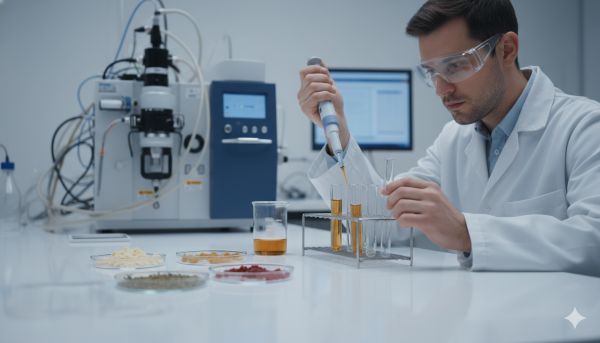
Identifying adulterants in food products requires more than just basic checks; it necessitates advanced scientific testing to ensure safety and compliance. Auriga Research is at the forefront of this field in, equipped with NABL-accredited laboratories that demonstrates our commitment to excellence. Our comprehensive testing arsenal includes:

  1. FT-NIR (Fourier Transform Near Infrared): This technique is used to detect compositional abnormalities in food products, ensuring any form of adulteration is identified effectively.
  2. LC-MS/MS (Liquid Chromatography-Tandem Mass Spectrometry): This advanced method is crucial for pinpointing microscopic levels of pesticide residues and formalin, essential for maintaining food safety.
  3. GC-FID (Gas Chromatography-Flame Ionization Detection): This method identifies synthetic additives in food, ensuring they meet regulatory requirements.
  4. PCR (Polymerase Chain Reaction): This technology detects microbial contamination and genetically modified ingredients, safeguarding consumers from potential health hazards.

With these advanced testing methods, Auriga Research ensures a rigorous examination of food products, providing reliable results that help maintain high standards of food safety and quality. This comprehensive approach not only reinforces consumer trust but also supports regulatory compliance across the food industry.

The Myth of DIY Adulteration Tests on Social Media

In recent days, social media platforms have been flooded with videos claiming to reveal quick and easy home tests for detecting paneer adulteration. While these videos may seem useful, they often rely on superficial visual cues or rudimentary physical changes in the product, such as paneer turning blue with iodine or crumbling under pressure. These methods, though popular, are fundamentally flawed.

The reality is that adulterants like formalin, synthetic milk components, and non-dairy fats often evade visual detection entirely. These substances can alter the chemical structure of paneer without affecting its appearance or texture. Thus, relying on such gimmicky demonstrations can create a false sense of security among consumers.

Only accredited scientific food testing laboratories can accurately determine whether paneer is safe for consumption. Their tests go beyond what the naked eye can perceive, analyzing the complete chemical and microbial profile of a sample. Commercial testing services offered by labs like Auriga Research provide a comprehensive evaluation—ensuring that paneer not only meets compositional standards but is also free of harmful adulterants. For both consumers and businesses, professional testing is the only trustworthy method for verifying food safety.

Consumer Guidelines: Avoiding Adulterated Paneer

While scientific testing remains the most reliable method, consumers can take preliminary steps to reduce risk:

  • Visual Check: Authentic paneer has a uniform, off-white appearance. Overly white or crumbly textures may signal adulteration.
  • Smell: A chemical or artificial odor is an indication of possible contamination.
  • Purchase Channels: Opt for certified brands known for transparency and quality assurance.
  • Mobile Apps: Use the FSSAI ‘Food Safety Connect’ app to report concerns and access reliable vendor data.
  • At-home Testing: Though limited in scope, the iodine test can detect the presence of starch. If suspected, confirm findings with a certified lab.

Industry Best Practices: A Compliance Checklist

Dairy producers and FBOs need to implement robust safety protocols to regain consumer trust and meet regulatory requirements.

  • Enforce strict quality control during procurement and processing stages.
  • Use third-party NABL-accredited labs like Auriga for routine testing.
  • Implement training programs on GMP (Good Manufacturing Practices) and HACCP (Hazard Analysis and Critical Control Points).
  • Digitize traceability systems to monitor every stage of production.

Conclusion

Paneer adulteration highlights larger issues in food regulation, ethical production practices, and consumer awareness. However, these challenges are not insurmountable. When regulatory agencies act decisively, industries follow best practices, and consumers remain alert, the risks can be effectively mitigated. Maintaining the purity of paneer is not just about preserving tradition; it is essential for protecting public health and strengthening confidence in India’s food systems.

TL;DR:

  • Around 40% of the paneer samples collected in Noida and Greater Noida are deemed unsafe.
  • Adulterants include formalin, synthetic milk, starch, and non-dairy fats.
  • Health effects range from digestive distress to cancer.
  • Legal consequences include fines, jail time, and brand damage.
  • Auriga Research provides advanced testing to ensure compliance.
  • Consumers should stay informed, buy from trusted sources, and report issues using the FSSAI app.

FAQs

1. What does paneer adulteration mean, and why should it be a concern?

Paneer adulteration involves adding substances to paneer to reduce costs, which compromises its quality and safety. It’s a significant concern due to potential health risks such as food poisoning, long-term diseases, and the erosion of consumer trust in food safety.

2. What are the most commonly found adulterants in paneer?

Common adulterants include formalin, synthetic milk, starch, and non-dairy fats. These substances are used to mimic the texture and properties of real paneer while significantly reducing production costs.

3. What potential health issues can arise from eating adulterated paneer?

Adulterated paneer can cause a range of health issues, from short-term digestive problems and food poisoning to long-term ailments like liver and kidney damage, and even an increased risk of certain cancers.

4. What legal frameworks are in place to combat paneer adulteration in India?

The Food Safety and Standards Act (FSSA) and the Indian Penal Code (IPC) provide legal provisions to penalize those involved in adulteration. This can include fines, imprisonment, and cancellation of business licenses for offenders.

5. How does Auriga Research contribute to combating paneer adulteration?

Auriga Research offers advanced testing services that utilize scientific techniques to accurately detect adulteration in paneer. We work to support regulatory compliance and ensure food safety standards are met across the nation.

6. What steps can consumers take to avoid purchasing adulterated paneer?

Consumers should be vigilant by observing changes in smell, texture, or color. They can perform simple at-home tests and choose to buy paneer from reputable sellers who demonstrate adherence to quality standards.

7. Can adulteration be easily detected at home, and if so, how?

While some adulteration can be subtle, consumers can perform basic tests such as checking if paneer leaves a milky residue in water. They should also be mindful of unusual textures or flavors and reach out to certified labs for confirmation if in doubt.

8. How can consumers report suspected cases of paneer adulteration?

Suspected cases can be reported using the FSSAI mobile app, which allows consumers to file complaints and alert authorities about potential food safety violations in their area.

9. What are the economic impacts of paneer adulteration on the industry?

Paneer Adulteration can damage brand reputations, lead to financial losses for businesses involved in legal battles, and reduce consumer confidence, ultimately affecting the broader food industry economy.

10. How can the government enhance efforts to prevent adulteration in paneer?

The government can strengthen regulatory frameworks, increase the frequency of inspections, invest in consumer awareness campaigns, and collaborate with testing agencies like Auriga Research to ensure adherence to food safety standards.

Dr. Neha Arora

Dr Neha joined Arbro as GM-Operations in January 2006.She has an outstanding academic record with a doctorate degree from Gautam Budh Technical University,Lucknow and Masters in Pharmacognosy and Phytochemistry from Jamia Hamdard University,New Delhi.She ranked first and was awarded a gold medal for her meritorious achievements. She successfully attended a training course on Laboratory Management and Internal Audit as per ISO 17025:2005. Neha is enthusiastic about organizational improvements and contributes actively in areas of resource planning, manpower recruitment, participation in international tenders and training programmes.

Related Blog

Leave a Reply

Get A Free Proposal for Your Company!


Once You fill out the form, you will:

Get a email or phone from our team to understand your exact requirement.
After that a quotation catering to your requirement will be sent to your mail.
Once you approved the quotation, you can send us the sample for testing and we would provide you with the test report.