Executive Summary
The recent Listeria outbreak in the United States, traced to contaminated processed food, led to multiple hospitalizations and product recalls. It highlights a global concern: how Listeria bacteria in food can quietly pose a severe health threat. Although India has not seen a crisis of this scale yet, the growing processed food industry here makes it imperative to stay vigilant. Indian manufacturers and regulators must prioritize advanced microbial testing and stringent quality protocols to prevent a similar Listeria infection scenario. Auriga Research, a leading food safety lab in India, provides expert testing and surveillance solutions to ensure food safety standards are met and maintained.
What Happened? — Facts & Timeline
In United States, a period from December 2023 to September 2024 witnessed several reports of Listeria infections. These cases were eventually linked to Fresh & Ready Foods LLC, known for producing ready-to-eat meals. By April 2025, the U.S. Food and Drug Administration (FDA) detected Listeria bacteria in food samples taken from their production facility. The contamination was found to be the same strain responsible for the reported illnesses, prompting a major recall of their sandwiches and snack products in May 2025.
Although this incident took place abroad, it offers important lessons for India to learn from. As the consumption of pre-packaged foods continues to rise in the country, the Indian food ecosystem remains vulnerable to similar health risks. It is crucial that the nation prioritizes effective detection and control measures for Listeria bacteria in food products. This becomes particularly essential with the increasing presence of multinational food chains and the expanding network of cold storage logistics across the country.
Why Is This Dangerous? — Health & Economic Impact
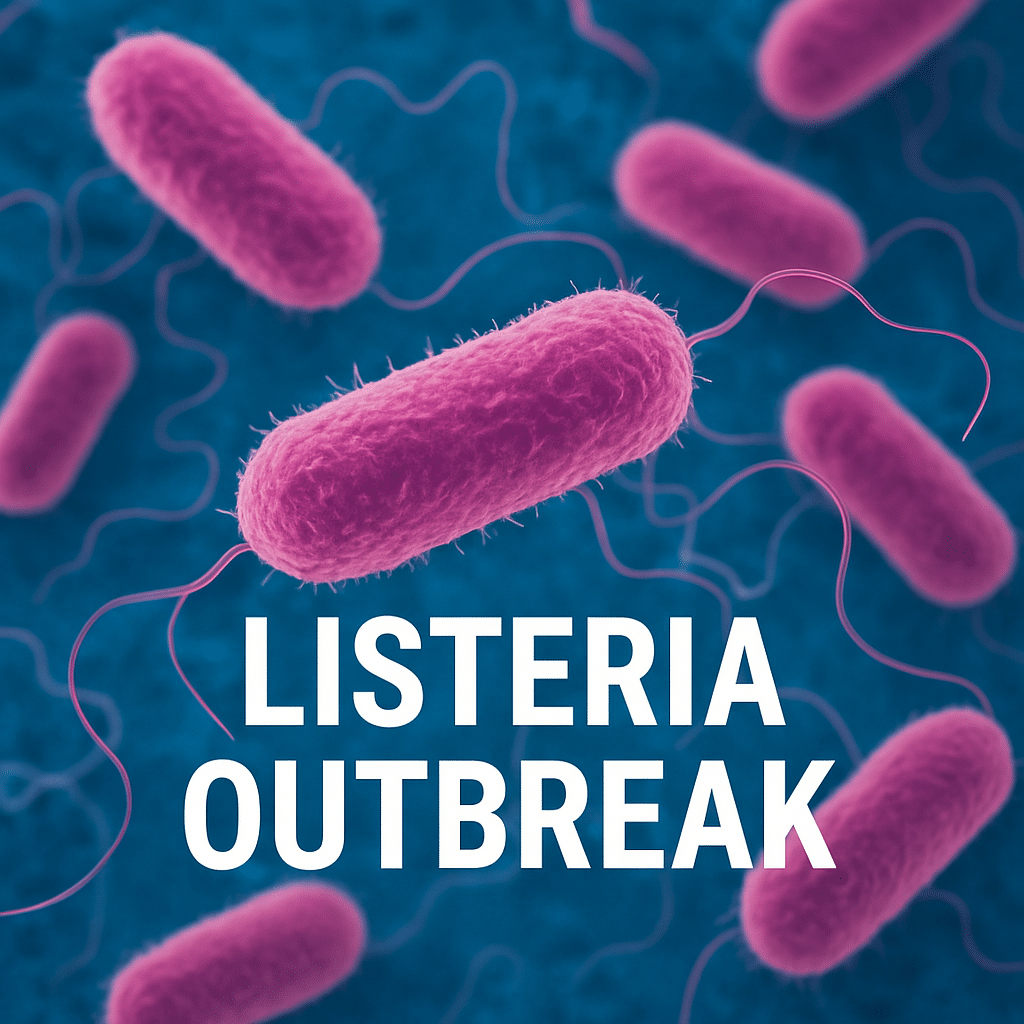
Listeria bacteria in food can survive and thrive in cold environments, making chilled, ready-to-eat items particularly risky. Consuming such contaminated products leads to Listeria infection, which is especially dangerous for pregnant women, infants, the elderly, and immunocompromised individuals. Symptoms range from fever and headaches to life-threatening meningitis and sepsis.
In India, with its large population of vulnerable individuals, an undetected Listeria outbreak could have catastrophic consequences. Economically, recalls can cost crores in lost inventory, logistics, and legal liabilities. A brand implicated in a Listeria outbreak could suffer lasting damage. Medical care for those suffering from Listeria infection also places a burden on public health systems. Therefore, investing in food safety through scientific testing is not just precautionary—it’s critical.
Legal & Regulatory Benchmarks
India’s food safety framework, governed by the Food Safety and Standards Authority of India (FSSAI), includes microbiological standards for pathogens like Listeria bacteria in food. These align with global guidelines from the FDA and WHO. However, enforcement in India varies by region and facility.
The FSSAI’s Food Safety Management System (FSMS) encourages food businesses to implement Hazard Analysis and Critical Control Points (HACCP) systems. Yet, not all food businesses, particularly small and medium-sized enterprises, have adopted rigorous testing. Here’s where labs like Auriga Research play a crucial role—supporting food companies in detecting Listeria bacteria in food, ensuring safety, and achieving compliance.
How Is Adulteration Detected? — Testing Science
Detecting Listeria bacteria in food involves intricate processes that require advanced techniques. Auriga Research utilizes cutting-edge methods, which include:
- Microbiological Culture: This technique identifies Listeria colonies present in food or environmental samples, offering a reliable way to detect contamination.
- Polymerase Chain Reaction (PCR): By amplifying Listeria DNA, PCR provides rapid and precise detection, ensuring quicker response times.
- Enzyme-Linked Immunosorbent Assay (ELISA): This method detects Listeria proteins even at low concentrations, improving the likelihood of early identification.
- Genome Sequencing (WGS): During Listeria outbreaks, WGS delivers precise strain identification, aiding in effective containment strategies.
These sophisticated tools facilitate comprehensive risk assessment, essential for preventing the escalation of Listeria infections into widespread public health issues. Routine environmental monitoring, coupled with hygiene audits and consistent food sampling, ensures that any Listeria presence is detected early, mitigating risks. The proactive approach of Auriga Research not only supports food safety but also aligns with regulatory compliance, offering essential protection to public health and the integrity of food brands.
Actionable Guidance for Consumers, Producers & Sellers
For Consumers:
- Keep up-to-date with FSSAI’s published recall notices to ensure you’re informed about any potential food safety concerns.
- To ensure your safety and protect your health, it is important to dispose of any food products that have been associated with a Listeria outbreak.
- Thoroughly clean refrigerators and surfaces where these foods were previously stored to ensure a safe and sanitized environment.
- Exercise caution when consuming ready-to-eat products, particularly if you are pregnant or elderly, as these groups are more vulnerable to foodborne illnesses.
- Be vigilant for symptoms indicative of a Listeria infection, which may include a fever, feelings of nausea, or experiencing a stiff neck.
For Food Producers:
- Adopt and maintain rigorous sanitation procedures to ensure a high standard of cleanliness and safety in food production environments.
- Collaborate with reputable, accredited laboratories to conduct comprehensive testing for the presence of Listeria bacteria in food products.
- Implement the practice of environmental swabbing within food production facilities to detect contamination at an early stage.
- Educate employees thoroughly on the dangers and implications of cross-contamination to ensure they are fully aware of the risks involved.
- Develop and enforce robust systems for product traceability and create clear, efficient protocols to manage emergency recall procedures effectively.
For Sellers and Retailers:
- Keep an eye on official regulatory updates for any notifications or alerts regarding a Listeria outbreak.
- Swiftly take action to eliminate any items that have been recalled from your shelves and inventory.
- Ensure that the cold chain is consistently maintained and monitored to effectively minimize the risk of bacterial growth in perishable food products.
- Make sure that all products are correctly labeled, and procure goods exclusively from suppliers who hold certification.
Auriga Research offers comprehensive food safety training, conducts audits, and develops tailored testing strategies to assist the entire food value chain in managing and reducing the risks associated with Listeria bacteria contamination in food products.
About Auriga Research
Auriga Research is an FSSAI-accredited and USFDA-compliant laboratory offering full-spectrum food testing solutions. With cutting-edge diagnostics and a team of microbiology experts, we specialize in detecting and controlling Listeria bacteria in food. Our labs are equipped to handle everything from routine surveillance to emergency assessments during a Listeria outbreak.
Auriga supports food producers, processors, and retailers in maintaining compliance, avoiding costly recalls, and building public trust. Whether you’re looking to prevent contamination or validate product safety, contact Auriga Research—your trusted partner in food protection and public health.
Conclusion
The Listeria outbreak underscores the weaknesses in a country’s food safety regulations and protocols. For India, this situation serves as both an urgent wake-up call and an opportunity for growth and improvement. As we move towards modernizing our food production and distribution systems, our methods of ensuring safety must also advance. It is crucial that everyone, from local street vendors to large multinational food brands, recognize and address the dangers presented by Listeria bacteria contaminating our food supply.
Enhanced laboratory testing, adherence to rigorous hygiene protocols, and strict regulatory compliance should be standard practices in the food industry rather than rare occurrences. When cases of Listeria infection cause consumers to fall ill, it highlights a significant issue that goes beyond just individual health concerns; it reflects a lapse in systemic oversight and the need for stronger safety measures. At Auriga Research, we are dedicated to contributing to a safer food environment in India through consistent and meticulous testing, ensuring both public health and industry accountability are prioritized—one test at a time.
TL;DR
Recent Listeria outbreak in the U.S. highlights the risks associated with contaminated ready-to-eat foods, emphasizing the need for stringent testing protocols. For India, enhancing Listeria bacteria detection in food is crucial to prevent similar public health crises. Auriga Research stands at the forefront, providing comprehensive support and expertise in identifying and mitigating Listeria infection risks. Through advanced diagnostics and preventive strategies, Auriga aids in ensuring public safety and maintaining food quality standards. Strengthening these measures is vital for protecting consumers and upholding trust in the food industry.
FAQs About Listeria Outbreaks
1. What is a Listeria outbreak?
A Listeria outbreak refers to an event where multiple individuals become ill after consuming food contaminated with Listeria bacteria. This situation prompts public health investigations and potential product recalls to mitigate further risks.
2. What is Listeria?
Listeria monocytogenes is the bacterium responsible for Listeria infection, a severe illness that poses significant risks, especially to vulnerable groups such as pregnant women, newborns, the elderly, and those with weakened immune systems.
3. Which foods are prone to Listeria bacteria?
Listeria can be found in various foods, notably ready-to-eat meats, soft cheeses, unpasteurized milk products, and refrigerated seafood. These foods are particularly susceptible due to their processing methods and storage conditions.
4. How does Listeria infection spread?
The primary mode of transmission is through consumption of food contaminated with Listeria bacteria. This usually happens when food is improperly stored or handled, allowing the bacteria to multiply even in cold environments.
5. Can Listeria bacteria survive refrigeration?
Yes, Listeria bacteria can thrive in refrigerated conditions, making it essential to monitor cold-stored ready-to-eat products vigilantly. This characteristic necessitates stringent food safety practices.
6. How can Listeria infection be prevented?
Preventing Listeria infection involves maintaining proper hygiene, thorough testing of products, adhering to food safety guidelines, and conducting regular facility audits to ensure a contamination-free environment.
7. How does Auriga Research help?
Auriga Research provides advanced food testing services designed to detect the presence of Listeria bacteria in food products. By utilizing cutting-edge technology and research practices, they play a crucial role in preventing Listeria outbreaks and safeguarding public health.