




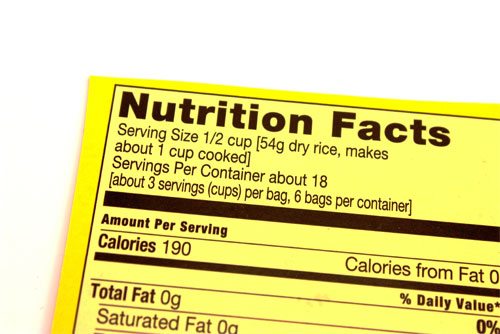
The term “fatty acids” is quite common in discussions about packaged foods. Consumers frequently check the levels of these acids in their food products to gauge their nutritional content. Conversely, manufacturers are required to conduct fatty acid testing to accurately display these values on product packaging. For those involved in food production or simply curious individuals, we’ve compiled comprehensive information regarding fatty acids and the analysis of their profiles. This will help them grasp the significance of these components in their food and the necessity of testing for manufacturing purposes. Let’s explore the details!
What Are Fatty Acids?
Fatty acids are a type of carboxylic acid that comprise dietary fats crucial for cellular energy generation and the biosynthesis of membrane lipids. These acids can be classified as either saturated or unsaturated, and they typically stem from triglycerides or phospholipids. There are three main categories of fatty acids:
- Saturated Fatty Acids (SFAs)
- Monounsaturated Fatty Acids (MUFAs)
- Polyunsaturated Fatty Acids (PUFAs).
According to an ICMR report, fatty acids play a pivotal role in generating cellular energy and synthesizing membrane lipids and lipid mediators, which are essential for the development of the central nervous system. Thus, fatty acids are critical for human growth and serve as significant energy sources. Since these acids are essential for health, they cannot be fully excluded from food products. However, consumers should monitor their intake to maintain good health. To facilitate this, manufacturers need to provide accurate information regarding the fatty acid content in their offerings. This is where fatty acid profile testing becomes essential. Here are further details.
Fatty Acid Testing for Food Products
As per labeling guidelines, food business operators must disclose nutritional values on the labels of pre-packaged food items. Food Safety Regulations stipulate that nutritional values (expressed as g/100g of a product) should be prominently displayed to assist consumers in making informed choices regarding food products. As customers cannot assess the nutritional value of every product independently, it is vital for manufacturers to simplify this process. If there are claims related to fatty acids, the food business operator must indicate the levels of Saturated Fatty Acids, Monounsaturated Fatty Acids, and Polyunsaturated Fatty Acids on the labeling of pre-packaged foods. Routine food testing for all nutritional parameters is also recommended to ensure that safe and wholesome products are provided to consumers.
Fatty Acid Analysis Test
Fatty acid testing is conducted on food samples to determine the specific quantities and types of these compounds present. This enables food business operators to accurately report these values on their labels without complications. However, fatty acid profile analysis should be conducted in an accredited laboratory to ensure reliable results and prevent future issues. Therefore, as a food manufacturer, you should seek ARBRO’s expertise. We provide the most accurate and dependable fatty acid analysis testing services, allowing you to avoid official issues and offer trustworthy products to your customers. Our nutritional analysis services comply with FSSAI standards, detecting concentrations of nutrients, including fatty acids and cholesterol.
We have collaborated with the food and beverage industry across a wide array of products, assisting them in meeting specific standards. Thus, we can offer you a comprehensive solution for analyzing fatty acids and other nutritional components, alleviating any concerns at every stage.
Determination of Fatty Acid Composition of Oils and Fats by Gas-Liquid Chromatography – FSSAI Standards
Principle
- Fatty acids in oils and fats are converted to fatty acid methyl esters (FAMEs).
- Chemical reaction involves boron trifluoride and an alkaline agent.
- Gas-liquid chromatography (GLC) with a flame ionization detector analyzes the sample.
- Elution patterns compared against known standards for identification and quantification.
Apparatus
Gas Liquid Chromatograph
- Injection System:
- Operates 20 – 50°C above column temperature.
- Oven:
- Reaches at least 220°C with stability of ±1°C.
- Twin columns recommended for temperature programming.
- Packed Column:
- Glass material protects sensitive polyunsaturated fatty acids.
- Packing materials include:
- Ethylene glycol succinate on 100/120 mesh gas chromatography material.
- Apizon-L on Chromosorb W or Celite.
- Butan-1,4-diol succinate on Chromosorb W or Celite.
- SE-30 on Chromosorb-G silanized.
- Column Conditioning:
- Precondition in the oven for 16 hours at operational temperature.
- Maintain carrier gas flow of 20-60 mL/min.
- Detector:
- Flame ionization detector, withstands temperatures higher than the chromatography column.
- Additional Equipment:
- Precision 10 μL syringe for sample injection.
- Electronic recorder with quick response and suitable paper speed.
- Integrators for rapid quantitative analysis.
- Essential laboratory glassware: 50 mL/100 mL boiling flasks, reflux condensers, separating funnels.
Reagents
- Carrier Gas:
- An inert gas (nitrogen, helium, or argon), dehydrated and oxygen-free.
- Auxiliary Gas:
- Purified hydrogen (minimum purity of 99.9%).
- Reference Standards:
- Methyl esters blend matching fatty acids being studied.
- Methanolic Sodium Hydroxide Solution:
- Approximately 0.5 N.
- Methanolic Boron Trifluoride Solution:
- Available in various concentrations for FAME preparation.
- Heptane and Redistilled Petroleum Ether:
- Used in the chromatography process.
Procedure
Preparation of Methyl Esters:
- Conduct procedures in a well-ventilated area to avoid toxic exposure.
- Clean glassware thoroughly after usage, especially with sensitive compounds.
- Place 350 mg of oil sample in a 50 mL conical flask.
- Add:
- 6 mL of 0.5 N methanolic sodium hydroxide.
- 7 mL of boron trifluoride solution along with a boiling chip.
- Attach reflux condenser and heat mixture for 5 to 10 minutes until the reaction is complete.
This procedure ensures accurate determination of fatty acid composition in compliance with FSSAI regulations.
Why Choose Us?
We are accredited by NABL and authorized by FSSAI, employing skilled professionals for the nutritional analysis of a broad spectrum of food items, such as dietary supplements, health drinks, snacks, and more. Our laboratory is equipped to detect and quantify fats in agricultural and food samples. In summary, your nutritional analysis tasks will be executed with high efficiency and precision. You can reach us via the provided “Quick Query” form or call us at +91 8588851888 for inquiries about the fatty acid profile test or to request our services. We look forward to providing tailored solutions to meet your unique needs.
