Testing Services
Food Testing Pharmaceutical Testing Water Testing Cosmetics Testing Herbal / AYUSH Testing Medical Device Testing Environmental Testing Regulated Clinical Trials
Phase II–IV Trials Pharmacovigilance Site Management Biostatistics & Data Real World Evidence Medical Writing BA/BE Monitoring Clinical Research & Claims Studies
Cosmetics & Personal Care Studies Nutraceutical Studies Ayurveda & Herbal Studies Certification
Certification Division Food Testing
NABL-accredited · Delhi & Bangalore labs · FSSAI report issuer
NABL FSSAI BIS
Pesticide Testing
FSSAI residue limits · MRL compliance
Nutritional Labelling
Macros · Vitamins · Energy values
Microbiological Testing
Pathogens · Shelf-life · Hygiene
Heavy Metals
Lead · Arsenic · Mercury · Cadmium
Adulteration Testing
Oil · Spice · Milk adulteration
Aflatoxin Testing
Grains · Spices · Nuts
Pharmaceutical Testing
NABL-accredited · ICH · CDSCO
NABL CDSCO
Stability Testing
ICH Q1A · Accelerated · Long-term
Sterility Testing
USP 71 · IP sterility methods
HPLC Testing
Assay · Related substances · Impurities
Nitrosamine Testing
NDMA · NDEA · ICH M7 · LC-MS/MS
Benzene Testing
GC-MS · GC-HS · CDSCO 2 ppm limit
Bacterial Endotoxin Testing
LAL · rFC · USP 85 · EP 2.6.14 · FDA/EMA
Method Validation
ICH Q2(R2) · AMV · Specificity
Excipient Testing
IP USP EP monographs · Pharma excipients
Water Testing
NABL-accredited · FSSAI water reports · Near-me labs
NABL FSSAI
Water Testing for FSSAI Licensing
NABL report accepted for FSSAI FBO licence applications
Types of Water Testing
Drinking · Packaged · Borewell · WFI · Effluent overview
Alkalinity Test of Water
Total · bicarbonate · carbonate per IS 3025 · IS 10500
Turbidity Test of Water
NTU by nephelometric method · IS 10500 · IS 3025 Part 10
Potable Water Testing
IS 10500 · BIS drinking water full panel
Wastewater / Industrial Effluent
CPCB · ZLD · BOD · COD · heavy metals
Cosmetics Testing
BIS · Stability · SPF claim substantiation · Challenge testing
NABL BIS
Stability Testing
Real-time · Accelerated · ICH
Claim Substantiation
In-vivo · ISO 24444 · Manesar CRO
Challenge Testing
PET · ISO 11930 · Preservative efficacy
Heavy Metals
Lead · Arsenic · Mercury · Chromium
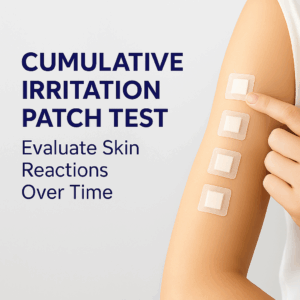
Patch Testing
HRIPT · Human repeat insult patch test
BIS Certification
IS 4011 · Mandatory BIS for cosmetics
Herbal / AYUSH Testing
AYUSH Ministry accredited · Heavy metals · Identity testing
NABL AYUSH
Medical Device Testing
ISO 10993 · CDSCO · Biocompatibility
NABL CDSCO
Biocompatibility (ISO 10993)
Cytotoxicity · Sensitisation · Irritation
Bioburden (ISO 11737-1)
Sterilisation validation · TAMC · TYMC
Blood Bag Testing
IS 12065 · ISO 3826 · BIS ISI · CDSCO
ETO Residuals (ISO 10993-7)
EO · ECH · EG by GC-FID / headspace GC-MS
Packaging Validation
ISO 11607:2019 · ASTM F88 · F1980 ageing
Extractables & Leachables
ISO 10993-18:2020 · TTC · USP <661>
Particulate Matter
USP <788> / <790> · ISO 8536 · ICP-MS
Sterility Testing
ISO 11737-2 · Membrane filtration · Direct inoculation
Material Characterisation
FTIR · DSC · TGA · ICP-MS · ISO 10993-18/-19
Environmental Testing
Soil · Air · Water · Waste · CPCB compliance
NABL
Solid Waste
SWM Rules 2016 · RDF / WtE · Leachate
Air Quality Testing
Ambient air · NAAQS 2009 · PM2.5
Stack Emission Monitoring
Isokinetic PM · SO₂ · NOx · DG sets · CPCB
Water Testing
Surface water · Groundwater · CPCB
Solid Waste Analysis
MSW · Industrial solid waste · Leachate
Hazardous Waste Testing
HWM Rules 2016 · IS 15987 · TCLP · CPCB
Noise Testing
Occupational noise · Environmental noise
Illumination Testing
IS 3646 · NBC 2016 · Factories Act · site testing
Indoor Air Quality
TVOC · CO₂ · ASHRAE 62.1 · LEED/IGBC · ISO 14644
Meteorological Monitoring
EIA baseline · AWS · wind rose · AERMOD input
EIA Baseline Monitoring
EIA Notification 2006 · air + met + noise + water + soil package
Phase II–IV Trials
Phase II–IV · 370 investigator sites · 100+ SMO partners
NABL CDSCO
Pharmacovigilance
PSMF · PSUR/PBRER · Signal detection · OnePharmacovigilance platform
CDSCO
PV Safety Database
Cloud-based · AI-powered · E2B(R3) ready
PvMF / PSMF Management
IPC V2.0 · GVP Module II · CDSCO inspection-ready
ICSR Case Processing
MedDRA coding · E2B(R3) submissions
Aggregate Reporting
PSUR · PBRER · DSUR · PADER
Signal Detection & Management
GVP Module IX · PRR / ROR / IC analytics
Risk Management Plans
EU-RMP · US REMS · PASS
Training & SOP Development
Role-specific PV training · DMS-integrated SOPs
Regulatory Compliance
CDSCO · NDCT 2019 · ICH · EMA GVP
Site Management
370 investigator sites · 100+ SMO partners · 5-region India coverage
CDSCO
Biostatistics & Data
ICH E9(R1) estimands · CDISC SDTM v3.3 / ADaM v2.1 · SAS + R · Clinevo EDC
Real World Evidence
PMO (NDCT 2019) · PMS · RWS · Registries · 5,000-subject experience
CDSCO
PMO Studies
Post-Marketing Obligation · NDCT Rules 2019
Post-Marketing Surveillance
Active and passive PMS programmes
Real World Studies (RWS)
Effectiveness · Safety · Utilisation
Patient Registries
Disease & product registries
Observational Studies
Prospective · Retrospective · Cross-sectional
HTA & Payer Evidence
Outcomes research · Submissions
Medical Writing
CTD dossiers · Clinical study reports · Regulatory submissions
BA/BE Monitoring
Independent BE monitoring · PK analysis with Phoenix WinNonLin
NABL CDSCO
Cosmetics & Personal Care Studies
HRIPT · SPF (ISO 24444) · Cosmetic efficacy · 105+ studies completed
NABL
Nutraceutical Studies
Efficacy · Safety · FSSAI nutraceutical claim support
NABL
Ayurveda & Herbal Studies
AYUSH-aligned clinical research · Classical & proprietary formulations
NABL AYUSH
Certification Division
ISO 22000 · FSSAI Audit · FoSTaC Training · NABCB Accredited FS 025
FSSAI
CDMO / Personal Care
Private label · GMP manufacturing · Formulation development
Nutraceuticals
AYUSH registered GMP manufacturing · Tablets · Capsules · Powders · Liquids
Inspection & Sampling
Pre-shipment inspection · APEDA · EIC approved
NABL APEDA
Agri-Commodities
Rice · Sesame · Groundnuts · APEDA
Pre-shipment Inspection
Buyer specs · Regulatory · APEDA · EIC
Pharma & Devices
Drug products · Medical devices · Cosmetics
Environmental Monitoring
Zone-based sampling · Pharma · Food · Cosmetics
Sampling Services
Pan-India samplers · ISO 17025 labs
FSSAI Licensing
Get your water / food report for FSSAI licensing
Product Launch
Test before you launch to market or e-commerce
Export Compliance
Lab reports for APEDA / EIC certification
Regulatory Filing
CDSCO / FDA dossier support testing
Amazon / Flipkart Sellers
FSSAI + NABL for online marketplace sellers
International Clients
ISO 17025 scope · USD pricing · 30+ countries
Pharmaceutical
GMP · Stability · Sterility · Dossiers
Food & Beverage
FSSAI · Food safety · Nutritional labelling
Cosmetics
BIS · SPF claim substantiation · Stability · Claim support
Medical Devices
Biocompatibility · ISO 10993 · CDSCO
Herbal / AYUSH
AYUSH Ministry · Heavy metals · Identity
Exporters
APEDA · EIC · International lab reports
Startups & D2C
Launch packages · E-commerce compliance
Nutraceuticals
Supplement testing · FSSAI FSS Act
NABL Accredited
ISO 17025 scope certificate available
5 Lab Locations
Delhi · Gurugram · Bangalore · Baddi · Bahadurgarh
Arbro Group since 1985
Auriga Research since 2007 · 12,000+ clients
Fast Turnaround
Reports in 5–7 days · Express available
Client Results
12,000+ clients across pharma, food, cosmetics, and more
International
30+ countries served · USD pricing
Not sure where to start?
Get a Tailored Recommendation
Tell us about your product, market, and timeline — our specialists will design a testing programme that fits.
Learn
Tools
Proof
Get Started
Need Help Choosing?
Talk to a Testing Expert
Our scientific team will help you identify the right tests, methods, and accreditations for your product or sample.

Testing Services
Regulated Clinical Trials
Clinical Research & Claims Studies
Certification
Manufacturing
View all services
By Use Case
FSSAI Licensing Product Launch Export Compliance Regulatory Filing Amazon / Flipkart Sellers International Clients By Industry
Pharmaceutical Food & Beverage Cosmetics Medical Devices Herbal / AYUSH Exporters Startups & D2C Nutraceuticals Why Auriga?
NABL Accredited 5 Lab Locations Arbro Group since 1985 Fast Turnaround Client Results International 






✓ NABL Accredited · NABL · FSSAI · BIS
Select a service
Pesticide Testing
FSSAI residue limits · MRL compliance
Nutritional Labelling
Macros · Vitamins · Energy values
Microbiological Testing
Pathogens · Shelf-life · Hygiene
Heavy Metals
Lead · Arsenic · Mercury · Cadmium
Adulteration Testing
Oil · Spice · Milk adulteration
Aflatoxin Testing
Grains · Spices · Nuts
✓ NABL Accredited · NABL · CDSCO
Select a service
Stability Testing
ICH Q1A · Accelerated · Long-term
Sterility Testing
USP 71 · IP sterility methods
HPLC Testing
Assay · Related substances · Impurities
Nitrosamine Testing
NDMA · NDEA · ICH M7 · LC-MS/MS
Benzene Testing
GC-MS · GC-HS · CDSCO 2 ppm limit
Bacterial Endotoxin Testing
LAL · rFC · USP 85 · EP 2.6.14 · FDA/EMA
Method Validation
ICH Q2(R2) · AMV · Specificity
Excipient Testing
IP USP EP monographs · Pharma excipients
✓ NABL Accredited · NABL · FSSAI
Select a service
Water Testing for FSSAI Licensing
NABL report accepted for FSSAI FBO licence applications
Types of Water Testing
Drinking · Packaged · Borewell · WFI · Effluent overview
Alkalinity Test of Water
Total · bicarbonate · carbonate per IS 3025 · IS 10500
Turbidity Test of Water
NTU by nephelometric method · IS 10500 · IS 3025 Part 10
Potable Water Testing
IS 10500 · BIS drinking water full panel
Wastewater / Industrial Effluent
CPCB · ZLD · BOD · COD · heavy metals
✓ NABL Accredited · NABL · BIS
Select a service
Stability Testing
Real-time · Accelerated · ICH
Claim Substantiation
In-vivo · ISO 24444 · Manesar CRO
Challenge Testing
PET · ISO 11930 · Preservative efficacy
Heavy Metals
Lead · Arsenic · Mercury · Chromium
Patch Testing
HRIPT · Human repeat insult patch test
BIS Certification
IS 4011 · Mandatory BIS for cosmetics
✓ NABL Accredited · NABL · AYUSH
Select a service
Heavy Metals
Lead · Arsenic · Mercury · Cadmium
Pesticide Residues
Organochlorine · Organophosphate
Microbial Limits
Total aerobic count · Pathogens
Standardisation & Identification
HPTLC · DNA fingerprinting · Markers · API/IP
AYUSH GMP Audit
Ministry of AYUSH GMP compliance
✓ NABL Accredited · NABL · CDSCO
Select a service
Biocompatibility (ISO 10993)
Cytotoxicity · Sensitisation · Irritation
Bioburden (ISO 11737-1)
Sterilisation validation · TAMC · TYMC
Blood Bag Testing
IS 12065 · ISO 3826 · BIS ISI · CDSCO
ETO Residuals (ISO 10993-7)
EO · ECH · EG by GC-FID / headspace GC-MS
Packaging Validation
ISO 11607:2019 · ASTM F88 · F1980 ageing
Extractables & Leachables
ISO 10993-18:2020 · TTC · USP <661>
Particulate Matter
USP <788> / <790> · ISO 8536 · ICP-MS
Sterility Testing
ISO 11737-2 · Membrane filtration · Direct inoculation
Material Characterisation
FTIR · DSC · TGA · ICP-MS · ISO 10993-18/-19
✓ NABL Accredited · NABL
Select a service
Solid Waste
SWM Rules 2016 · RDF / WtE · Leachate
Air Quality Testing
Ambient air · NAAQS 2009 · PM2.5
Stack Emission Monitoring
Isokinetic PM · SO₂ · NOx · DG sets · CPCB
Water Testing
Surface water · Groundwater · CPCB
Solid Waste Analysis
MSW · Industrial solid waste · Leachate
Hazardous Waste Testing
HWM Rules 2016 · IS 15987 · TCLP · CPCB
Noise Testing
Occupational noise · Environmental noise
Illumination Testing
IS 3646 · NBC 2016 · Factories Act · site testing
Indoor Air Quality
TVOC · CO₂ · ASHRAE 62.1 · LEED/IGBC · ISO 14644
Meteorological Monitoring
EIA baseline · AWS · wind rose · AERMOD input
EIA Baseline Monitoring
EIA Notification 2006 · air + met + noise + water + soil package
✓ NABL Accredited · NABL · CDSCO
Select a service
Phase II Studies
Dose-finding · Multi-centre
Phase III Pivotal Trials
Efficacy · Adaptive designs
Phase IV / PMS
Post-marketing surveillance
Bioanalytical Testing
FDA/EMA/ICH M10 · LC-MS/MS
PK/PD Analysis
Phoenix WinNonLin · ICH guidelines
HRIPT
Human repeat insult patch test
✓ NABL Accredited · CDSCO
Select a service
PV Safety Database
Cloud-based · AI-powered · E2B(R3) ready
PvMF / PSMF Management
IPC V2.0 · GVP Module II · CDSCO inspection-ready
ICSR Case Processing
MedDRA coding · E2B(R3) submissions
Aggregate Reporting
PSUR · PBRER · DSUR · PADER
Signal Detection & Management
GVP Module IX · PRR / ROR / IC analytics
Risk Management Plans
EU-RMP · US REMS · PASS
Training & SOP Development
Role-specific PV training · DMS-integrated SOPs
Regulatory Compliance
CDSCO · NDCT 2019 · ICH · EMA GVP
✓ NABL Accredited · CDSCO
✓ NABL Accredited · CDSCO
Select a service
PMO Studies
Post-Marketing Obligation · NDCT Rules 2019
Post-Marketing Surveillance
Active and passive PMS programmes
Real World Studies (RWS)
Effectiveness · Safety · Utilisation
Patient Registries
Disease & product registries
Observational Studies
Prospective · Retrospective · Cross-sectional
HTA & Payer Evidence
Outcomes research · Submissions
✓ NABL Accredited · NABL · CDSCO
✓ NABL Accredited · NABL
✓ NABL Accredited · NABL
✓ NABL Accredited · NABL · AYUSH
✓ NABL Accredited · FSSAI
Select a service
Vitamins & Minerals
Tablets · Capsules · Effervescents
Omega-3 & Essential Fatty Acids
Softgels · Liquid preparations
Herbal & Ayurvedic Supplements
AYUSH registered manufacturing
Protein & Sports Nutrition
Powder blends · Sachets
Collagen & Probiotics
Sachets · Capsules · Sticks
✓ NABL Accredited · NABL · APEDA
Select a service
Agri-Commodities
Rice · Sesame · Groundnuts · APEDA
Pre-shipment Inspection
Buyer specs · Regulatory · APEDA · EIC
Pharma & Devices
Drug products · Medical devices · Cosmetics
Environmental Monitoring
Zone-based sampling · Pharma · Food · Cosmetics
Sampling Services
Pan-India samplers · ISO 17025 labs