














Osmolality of Sports & Energy Drinks, Beverages and Food Products
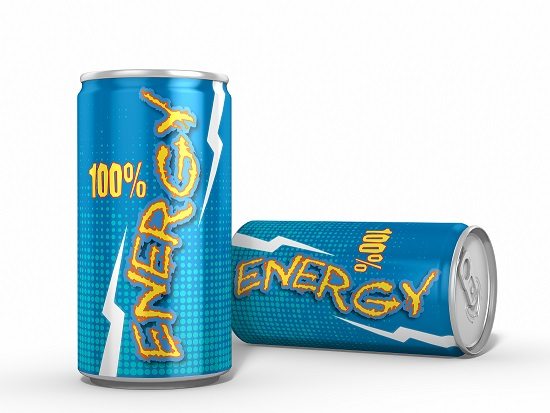
Osmolality of sport drinks, energy drinks, beverages and food products
In recent years, the osmolality of sports drinks, energy drinks, infant formulas, and various other food products has become an important topic among nutritionists, sports professionals, formulators, and informed consumers. Understanding the osmolality of these products is crucial because it directly affects how the body absorbs the liquid — and therefore the product's efficacy, the consumer's comfort, and the legitimacy of marketing claims about rehydration speed, energy delivery, and gastric tolerance.
Impact of Hypertonic Foods and Beverages
Studies have shown that hypertonic foods and beverages, when consumed, can lead to significant gastrointestinal discomfort — including stomach pain, cramping, nausea, and in some cases vomiting. This occurs because hypertonic foods cause water from the intestinal cells and capillaries to be drawn into the gastrointestinal tract to dilute the high solute concentration before absorption can occur.
Beyond discomfort, hypertonic foods have been documented to reduce the absorption of essential nutrients, which can nullify the very benefits claimed by energy drinks and nutritional shakes. They also reduce gastric emptying time, making physical activity uncomfortable after consumption — a particular concern for athletes, gym-goers, and fitness consumers who rely on these products around training.
Advantages of Hypotonic Foods and Beverages
In contrast, slightly hypotonic foods and beverages are more rapidly absorbed by the body, making them a better choice for rehydration and energy delivery during or after exercise. Hypotonic drinks are also easier to consume thanks to their milder taste, lower mouth-coating sensation, and the greater feeling of refreshment they provide. For sports nutrition brands targeting performance and rehydration claims, hypotonic and mildly isotonic positioning is strongly evidence-supported.
Osmolality and Exercise
The osmolality of foods and beverages especially matters when they are consumed as a major source of energy and hydration during or after physical exertion. The effects of hypertonic beverages on gastric emptying, water flux, and discomfort are most pronounced during exercise — when the digestive system is already under stress. These effects are less pronounced when the food or drink is consumed at rest, which is why osmolality matters most for products positioned as performance, recovery, or rehydration aids.
Tonicity Classification — At a Glance
Beverages are classified into three osmolality bands relative to normal body fluids (~290 mOsm/kg). Each behaves differently in the GI tract:
< 270 mOsm/kg
Lower particle concentration than body fluids — fastest absorption, best for rapid rehydration during/after exercise.
270 – 330 mOsm/kg
Approximately equal to body fluids — balanced rehydration with energy delivery, comfortable for routine consumption.
> 330 mOsm/kg
Higher particle concentration than body fluids — draws water into the GI tract, may cause discomfort and slow gastric emptying.
Reference ranges are industry-standard guidelines. Body-fluid osmolality is approximately 285–295 mOsm/kg.
Labelling of Products Based on Osmolality
In response to growing consumer awareness, a number of brands have started labelling their products as hypotonic, isotonic, or hypertonic to help consumers make informed choices. Understanding these labels allows athletes, parents (in the case of infant formula), and everyday consumers to select products that align with their hydration, nutrition, and tolerance needs. For brands, declared tonicity claims must be backed by independent measurement — which is exactly what cryoscopic osmolality testing delivers.
Calculating and Measuring Osmolality
The osmolality of a food product after reconstitution can theoretically be calculated by knowing its exact composition. However, osmolality is a colligative property — it depends on the number of solute particles, not their concentration by weight. The number of solute particles can vary based on ionization (salts dissociating), complexing (sugars and proteins binding with other components), and the specific reconstitution conditions. Theoretical calculations rarely match the as-consumed reality.
For this reason, it is essential to experimentally measure osmolality using an osmometer. There are two main types:
- Cryoscopic osmometers — based on the freezing-point depression of water. The reference method, fast and reliable for the broad range of beverage matrices. This is the method we use.
- Vapour-pressure-based osmometers — based on the vapour-pressure depression of water. Useful for very small or evaporation-sensitive samples but generally less common in routine beverage testing.
Products We Test for Osmolality
Our laboratory is equipped with a cryoscopic osmometer and routinely performs osmolality estimation across these product categories:
Sports Drinks
Isotonic, hypotonic, and hypertonic sports beverages — performance & rehydration claims
Energy Drinks
Caffeinated and taurine-based formulations — gastric tolerance verification
Infant Formula
Reconstituted formula osmolality for infant safety and labelling compliance
Carbonated Beverages
CSDs, juices, and packaged drinks — palatability and absorption profiling
Nutritional Supplements
Reconstituted protein shakes, electrolyte solutions, meal replacement powders
Food Products
Sauces, dressings, soups, and other food matrices on request
Turnaround Time
| Service | Standard TAT | Express |
|---|---|---|
| Single beverage osmolality (mOsm/kg) | 3–5 business days | Available |
| Reconstituted formula / powder | 3–5 business days | Available |
| Multi-batch QC panel | 5–7 business days | On request |
| Osmolality + label-claim panel | Per study scope | Custom |